
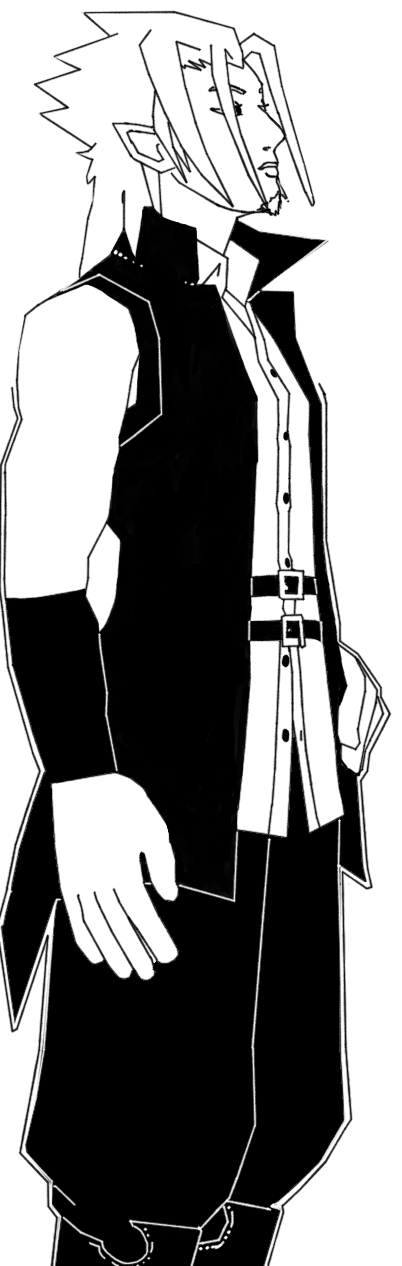
Introduction to Kiyasu
blurb about kiyasu here lol
Pronouns
| Person | Singular | Plural |
|---|---|---|
| 1st | ve [I] | vau, vo [we] |
| 2nd | tin [you] | tiun [y'all] |
| 3rd | o [he/she/they/it] | kol [they, pl.] |
You will notice that kiyasu has two words for [we], vau and vo. vau is inclusive, which means that it includes the person being spoken to, whereas vo is exclusive, which means that it excludes the person being spoken to.
Sentence Structure
kiyasu uses Subject-Object-Verb, or SOV, order. The most basic sentence you can create, using both a Subject and Verb, looks as follows:| ve | lu. | tin | vetas. |
| I | eat. | You | go. |
ve lu. I eat.
tin vetas. You go.
To add an object, something that the action is done to, you need to use the particle yo before the object noun. for instance:
| ve | yo | falu | lu. |
| I | [object marker] | food | eat. |
ve yo falu lu. You eat food.
Adjectives, and anything else that modifies the noun, come after the noun, like so:
| tin | yo | gal | kua | ora. |
| You | [object marker] | item | blue | have. |
tin yo gal kua ora. You have a blue item.
Adding prepositional phrases and indirect objects
Prepositional phrases on their own take the place of the object. For instance:| tin | im | erako | vetas. |
| You | in | house | go. |
tin im erako vetas. You go in the house.
With both an object and a prepositional phrase, the prepositional phrase generally comes before the object.
| ve | im | iria | yo | tin | ya. |
| I | in | here | [object marker] | you | see. |
ve im iria yo tin ya. I see you (in) here.
Indirect objects, i.e. the recipient of an object, come before the direct object, and generally use the prepositional marker / particle anu. For instance:
| ve | anu | tin | yo | gal | mout. |
| I | for | you | [object marker] | item | give. |
ve anu tin yo gal mout. I give an item to you.
Tense marking
Tense marking can come at the beginning of the sentence or more commonly, directly after the subject, and generally takes the form of ov + tense word.| ov | kuram | ve | vetas. |
| [tense marker] | future | I | go. |
ov kuram ve vetas. In the future, I will go. or...
| ve | ov | kuram | vetas. |
| I | [tense marker] | future | go. |
ve ov kuram vetas. I will go.